Introduction
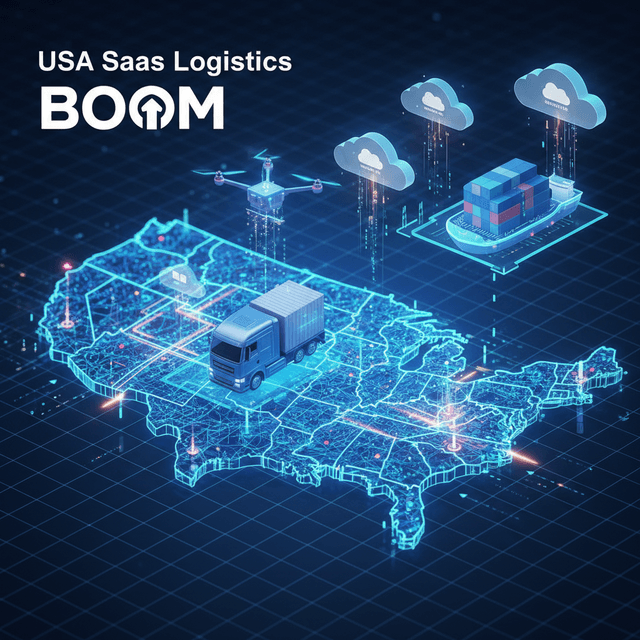
Logistics systems serve as the backbone of the economy in the United States but are often hindered by complexity, fragmentation, and inefficiency. SaaS logistics USA solutions are now emerging as transformative tools that address persistent industry challenges like outdated processes, operational silos, and a lack of transparency. As SaaS adoption continues to grow, it has become a pivotal element in shaping smarter, more efficient logistics operations. Learn more about SaaS’s impact on logistics here.Challenges in Traditional Logistics
The logistics industry in the USA has long been encumbered by inefficiencies such as communication gaps, reliance on outdated manual systems, unpredictable supply chain disruptions, and insufficient access to real-time data. These bottlenecks often result in elevated costs and delivery delays, posing significant barriers to adaptability and reliability. By harnessing smart logistics solutions powered by SaaS, businesses can streamline workflows and enhance transparency, effectively transforming traditional practices into efficient systems. Discover how SaaS innovation addresses these pain points.The Rise of SaaS in Logistics: How It’s Changing the Game
SaaS logistics solutions are revolutionizing how organizations operate across the U.S. Examples of industry leaders such as FedEx and Amazon illustrate the benefits of centralized SaaS platforms. Key features like real-time tracking, predictive analytics, and IoT integration contribute to robust supply chain performance. Moreover, SaaS solutions enable both small and medium enterprises (SMEs) and large corporations to access scalable, subscription-based logistics tools customized to their needs. These innovations are fostering resilient, customer-centric networks throughout the industry, driving growth and adaptability.SaaS Meets Emerging Technologies
SaaS adoption in logistics has moved beyond simple digitization, merging seamlessly with cutting-edge technologies like artificial intelligence (AI), the Internet of Things (IoT), and blockchain. Together, these advancements create a solid foundation for operational excellence by improving predictability, compliance, and safety. For example, IoT-connected sensors provide real-time inventory updates that feed directly into SaaS platforms, identifying bottlenecks and optimizing processes. Using these technologies, logistics professionals are empowered to implement agile and responsive systems across the USA’s infrastructure. Explore the intersection of SaaS and emerging tech here.The Future of Logistics Powered by SaaS
Looking ahead to the next decade, experts forecast that SaaS-driven logistics systems will lead trends such as increasing automation, autonomous delivery systems, and enhanced transparency via new regulatory requirements. The economic impact will also be substantial, enabling cost reductions and encouraging sustainability across logistics frameworks. To stay ahead, businesses must act now to adopt scalable SaaS solutions designed to navigate a rapidly evolving technological landscape. Prepare for the future by upgrading your logistics strategy with advanced SaaS systems.