
Introduction
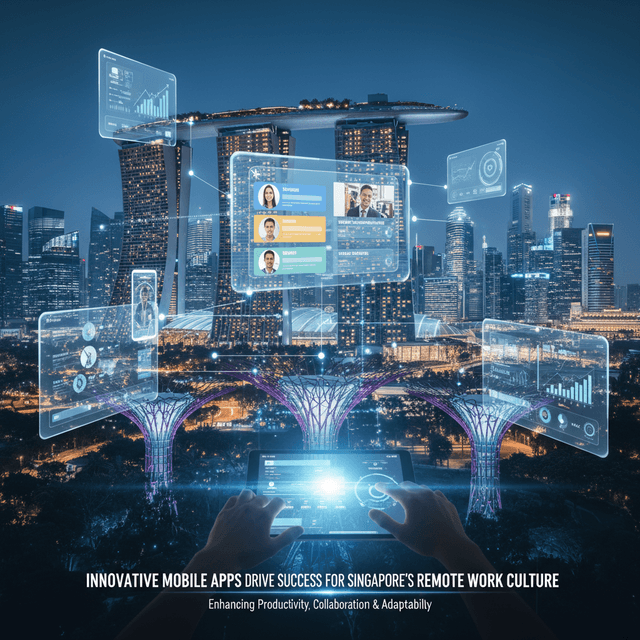
Mobile apps have significantly revolutionized how we approach work, especially in Singapore, where remote work continues to gain momentum. This blog explores the future trajectory of mobile apps for remote work, shedding light on ground-breaking predictions poised to redefine Singapore’s mobile app trends.
Background: The Role of Mobile Apps in Remote Work
The global push for remote workforce tools during the pandemic catalyzed digital transformation worldwide, with Singapore emerging as a frontrunner. The country has embraced technologies supporting productive work-from-home models, making mobile apps an essential tool for function and accessibility. Over the years, Singapore’s mobile app development industry has shifted toward adaptive technologies catering to dynamic business needs. For instance, Mossmize showcases how custom-built apps enabled businesses to thrive during challenging periods. Such advancements have become integral to Singapore’s workforce culture, fortifying its economic resilience.
Trend 1: AI-Driven Remote Collaboration Tools
Artificial intelligence (AI) is set to fundamentally transform remote collaboration tools, especially within mobile apps designed for remote work. By implementing AI, these apps can enhance productivity, automate mundane tasks, and streamline team collaboration. Singapore-based innovators have spearheaded solutions like predictive scheduling apps and brainstorming platforms that adapt intuitively. Looking toward 2028, AI technology is expected to advance further, providing real-time automation for tasks such as multi-language transcription during virtual conferences. Think of AI as your smart assistant, predicting challenges and suggesting tailored strategies to bolster teamwork and efficiency. Such intelligent mobile applications will place Singapore companies at the forefront of global competitiveness.
Trend 2: Increased Security Features for Remote App Usage
As remote work expands, cybersecurity risks have grown to be a pressing concern—especially for Singapore enterprises integrating mobile solutions. Secure apps, equipped with encrypted communication tools, robust verification protocols, and safeguards against data breaches, have become indispensable. According to Mossmize, security-centric apps are rapidly gaining government backing, reflecting a united push toward safer tech ecosystems. In the coming years, advancements in blockchain, zero-trust architecture, and AI-powered security mechanisms like anomaly detection will dominate Singapore’s mobile app landscape, preventing threats effectively and ensuring secure remote functionality.
Trend 3: Hybrid Remote Work Models Supported by Mobile Apps
The hybrid workplace model in Singapore continues to thrive, offering a mix between the flexibility of remote work and the benefits of physical office collaboration. Mobile apps designed for remote work act as vital connectors, seamlessly joining teams across virtual or in-office environments. These tools empower employees to access updates, share resources, and communicate in real-time, regardless of location. As hybrid work evolves further, Singapore app development trends predict gamification, augmented reality enhancements, and immersive tools to foster engagement and strengthen team dynamics within hybrid frameworks.
Insight: What Businesses in Singapore Should Know
Singapore’s business landscape demands the adoption of innovative tools that meet both immediate needs and future challenges. Companies are encouraged to strategize long-term integration of mobile apps for remote work. By initiating small-scale pilot programs, businesses can gradually adapt while improving productivity and aligning with overarching national goals like the Smart Nation Initiative. Insights from Mossmize’s Effective Digital Insights Report (2023) reveal that prioritizing employee-focused app developments can significantly boost engagement, ensuring enduring success in the dynamic workforce climate.
Forecast: The Next Five Years of Remote Work Mobile Apps in Singapore
Singapore’s remote work evolution over the next five years will be characterized by mobile applications fostering creativity, seamless connectivity, and scalability. Future advancements are predicted to include app ecosystems blending advanced forecasting capabilities with refinements in hybrid workforce adaptability. Features such as gamification, instant API-supported troubleshooting, and personalized tools tailored to Singaporean demographics will likely drive the adoption of holistic productivity monitoring metrics. These innovations will ensure balanced individual satisfaction and robust collaborative performance, setting the tone for next-generation workplace solutions.
