
Introduction
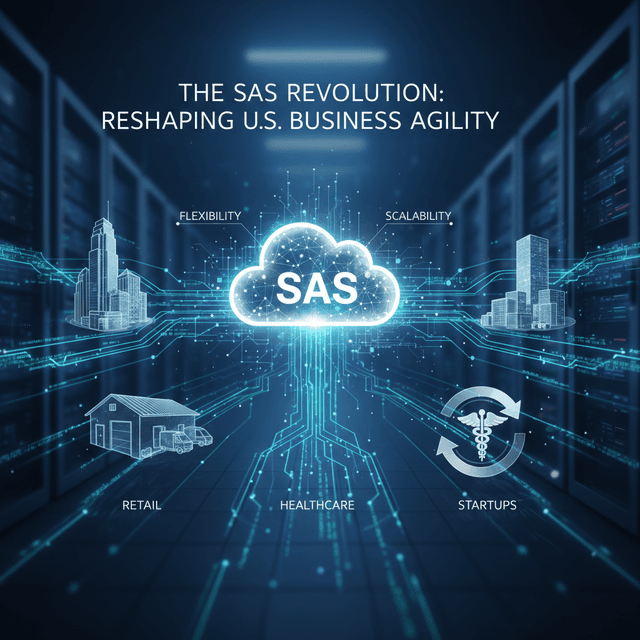
SaaS scalability refers to how well Software-as-a-Service platforms can dynamically expand or contract to effectively meet business demands. In the USA, a hub for numerous enterprises embracing digital transformation, scalability has emerged as a vital factor for success. Recent breakthroughs in cloud solutions and the growing need for enterprise agility have created a business ecosystem where adaptability reigns supreme. As technology advances swiftly, this foresight allows businesses to remain competitive in an evolving landscape. This guide explores five transformative predictions that are poised to redefine SaaS scalability across America.
Background: The Current State of SaaS Scalability in the USA
SaaS scalability has fundamentally changed business operations in the United States. From fledgling startups to well-established enterprises, the adaptive nature of cloud solutions empowers companies to respond to fluctuating market requirements without overhauling their infrastructure. One noteworthy example can be observed in the retail sector, where seasonal surges in customer demand once necessitated expensive hardware upgrades. Now, enterprise agility delivered through SaaS removes this barrier, enabling seamless optimization with minimal disruption. According to insights from MossMize, 79% of enterprises using scalable SaaS platforms experience measurable growth in flexibility, positioning them for success in competitive markets.
Emerging Trends Shaping SaaS Scalability in America
The SaaS scalability environment is being shaped by several revolutionary trends, including AI-driven solutions, edge computing, and decentralized cloud networks. For example, edge computing minimizes latency by processing data closer to users instead of through centralized cloud infrastructures—a pivotal change for sectors like healthcare that rely on real-time processing. AI integration takes scalability further by enabling predictive scaling, which replaces reactive adjustments, unlocking new levels of enterprise agility. These trends provide a glimpse of an ever-evolving SaaS landscape. A MossMize blog forecasts that by 2028, 70% of SaaS providers will incorporate advanced AI capabilities into their systems, driving transformative changes to scalability across America.
Key Insights: The Driving Factors Behind SaaS Growth
SaaS scalability thrives due to critical factors like customization, operational cost-efficiency, and rapid implementation powered by cloud-based frameworks. Customization allows software to meet the specific demands of businesses, which traditional legacy systems fail to address. Cost efficiency stems from dynamic scaling, saving organizations from unnecessary resource expenditure, while fast implementation facilitates businesses to go live within weeks instead of months. Success stories such as Stripe and Slack highlight how SaaS platforms fuel growth. Stripe leveraged scalability to handle increased payment volumes during the startup surge, solidifying its position as an innovator. By adopting SaaS, companies achieve unmatched flexibility and enhanced enterprise agility, ensuring they remain competitive in an ever-changing market.
Forecast: 5 Bold Predictions About SaaS Scalability
- AI-driven platforms revolutionize scalability models by 2030: Artificial intelligence will empower systems to forecast resource needs while autonomously deploying cloud solutions, redefining operational agility.
- Decentralized cloud services emerge as dominant scalability strategies: Organizations will increasingly rely on secure decentralized networks to share computing resources and build adaptive environments.
- Startups outperform enterprises in modular solutions: Innovative modular SaaS systems will appeal to startups due to affordability and flexibility, whereas legacy systems may limit larger enterprises.
- Flexibility becomes the defining trait of SaaS designs: Platforms driven by user needs will proliferate, with agile solutions fostering a 32% revenue growth over static systems.
- Enterprise agility evolves into a KPI for scalability: Competitive markets will measure success using agility metrics alongside traditional scalability indicators, forcing companies to pivot dynamically or risk irrelevance.
Call to Action: Prepare Your Business for the Scalable Future
To stay ahead, businesses must evaluate their SaaS infrastructure for scalability gaps and growth opportunities. Conducting a detailed audit is the first step, equipped with resources like MossMize's Smart SaaS Analyzer or agility scorecards to optimize SaaS functionality effectively. Collaborative efforts with strong cloud solutions providers ensure accelerated scalability, reducing ownership complexities. Take action today by downloading our guide, 'Maximize Flexibility with SaaS Scalability,' or request a free consultation with SaaS specialists committed to aligning your resources with future goals.
